Safety and Efficiency Reimagined: What 2025 Taught Us About Protecting People in Care
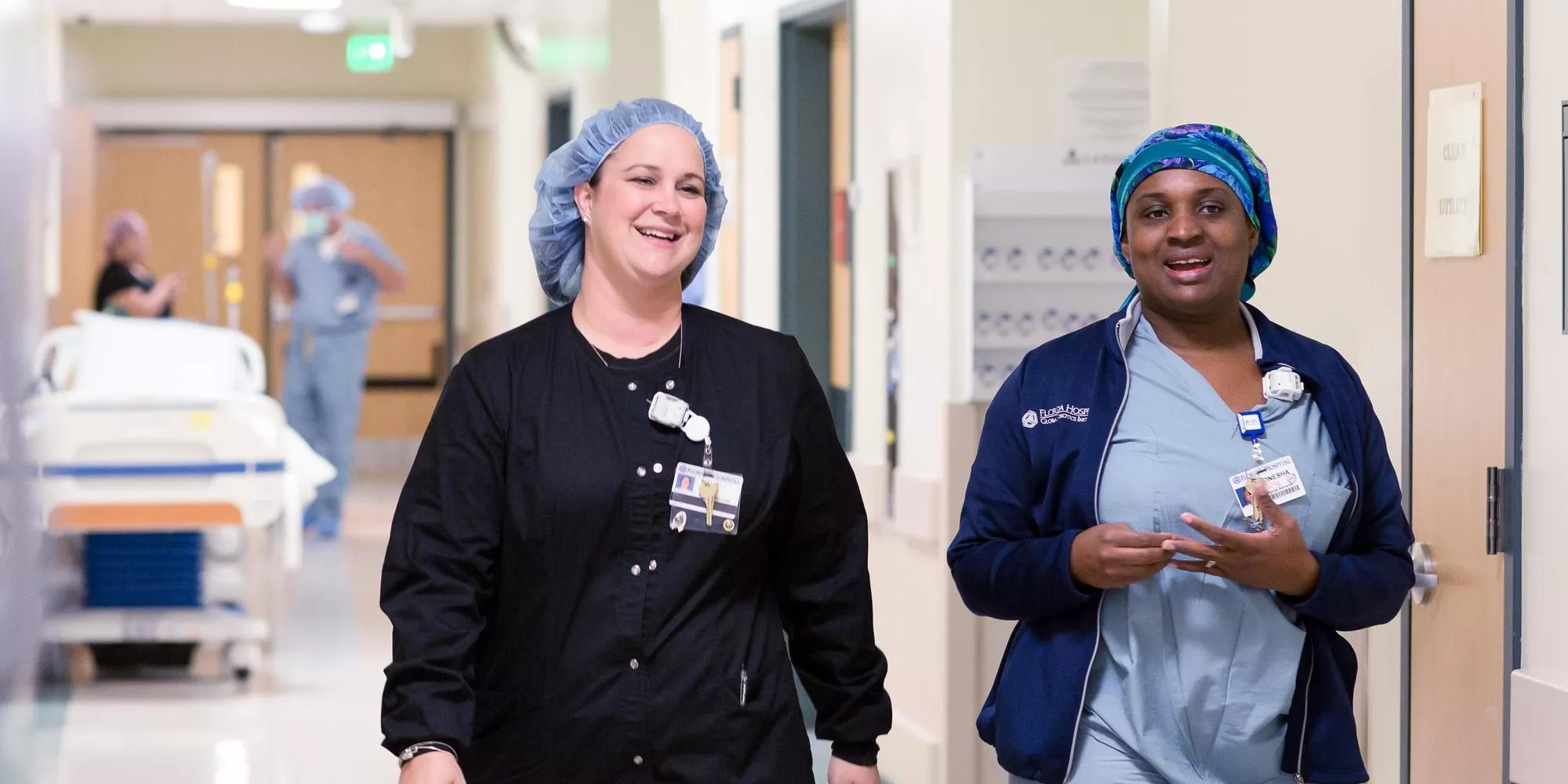
Small, quiet moments often define what it means to keep people safe in care. A nurse discreetly pressing a duress badge, a surgical tech finding a critical piece of equipment in seconds, or a prioritized response to a resident medical emergency—these are the everyday instances where visibility, coordination, and quick response intersect.
In 2025, these moments became emblematic of a year that challenged hospital and senior living organizations to rethink what safety and efficiency truly mean. Healthcare leaders faced continued staffing shortages, rising incidents of workplace violence, and tightening budgets, all while balancing the needs of patients and residents. Few organizations have “solved” safety. Many are still evaluating how to integrate technology and workflows meaningfully. But this year provided clear insights into what’s working and what’s worth exploring next.
At Securitas Healthcare, we saw firsthand how a connected approach, supported by technology and data-driven insights, can help bring safety and efficiency into alignment. Looking back, three themes stood out in 2025: protecting staff, managing assets, and supporting safer senior living communities.
"What this year reinforced is that safety is shaped long before an alert is triggered. It’s influenced by organizations deep understanding of their environment, supporting their teams, and removing friction from daily care. This broader awareness is what will drive sustained safety across all of healthcare."
2025: A turning point for safety and operational resilience
Persistent challenges defined the year. Staffing shortages remained a major issue, while workplace violence reached record levels. According to a recent survey conducted by Securitas Healthcare at the AWHONN Annual Conference, 81% of OB nurses reported experiencing some form of aggression in the last year. Additionally, financial constraints are pushing leaders to prioritize solutions that improve both safety and operational efficiency.
Amid these pressures, momentum built around connected systems, particularly Real-Time Location Systems (RTLS), which offers greater visibility into the movement of people, assets, and workflows. The organizations that made progress weren’t those seeking overnight transformations; they were the ones starting to connect silos, gather data, and make informed decisions.
“In 2025, it became clear that real-time visibility is a required and core part of every health system’s current and future strategy,” says Michael Abacunas, Director of Product Strategy and Training. “Leveraging RTLS in care environments gives leaders insight into staff, assets, and patient needs in a way that supports safer, more predictable operations. We are supporting many teams that are just beginning this journey, and the impact is already meaningful.”
Staff Protection: From vulnerability to visibility
Despite heightened awareness and new legislation, healthcare workers continued to face significant risks in 2025. Nearly eight in ten nurses reported workplace violence—a statistic that pushed many organizations to reevaluate how technology could strengthen staff safety not only during emergencies, but throughout the normal rhythm of daily work.
Leaders increasingly recognized that meaningful protection requires more than policies. It requires real-time visibility, clear communication pathways, tools and training that reinforce a culture where staff feel supported, not alone.

Staff Protection in action
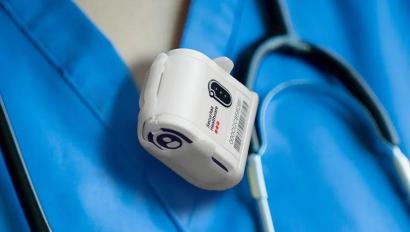
- Wearable duress badges that empower staff in any situation
Discreet, easy-to-activate badges allow employees to call for help instantly—whether they’re in a patient room, a hallway, or responding to an unpredictable situation.
- Real-time location data that guides the right response
Accurate location details help responders act faster and with more precision, reducing uncertainty and ensuring the right teams arrive exactly where they’re needed.
- Integrated alerts and simplified incident reporting
Systems that automatically capture incident data make documentation easier, support compliance, and help leaders identify trends that inform future training and policy decisions.
“When nurses feel secure and supported through real-time visibility tools, they can focus on delivering care without distraction or worry,” says Kelly Smith, Director of Clinical Solutions. “Staff protection solutions reinforce a safe, steady environment so care remains uninterrupted and centered on the patients who need it most.”
The takeaway: Technology doesn’t replace a culture of safety, it reinforces it. Visibility builds confidence. When staff feel seen and protected, they can focus on care rather than fear.
Asset Management: When efficiency becomes a safety strategy
Operational inefficiencies continued to create safety challenges in 2025. Lost, hoarded, or misplaced equipment wasted staff time and delayed care, increasing stress and risk. Leaders increasingly see asset visibility not just as a logistical concern, but as an essential component of safe and efficient operations.
RTLS in action
- Real-time visibility that prevents loss
Location data helps staff find equipment quickly, reducing delays and keeping care moving without unnecessary interruptions.
- Utilization analytics that inform smarter planning
Insights into how equipment is used guide better purchasing, maintenance, and allocation decisions, helping leaders stretch budgets without compromising care.
- A flexible, multi-technology approach that covers every asset—big and small
RTLS isn’t one-size-fits-all. Hospitals need the right mix of technologies—like Wi-Fi for larger mobile equipment and BLE for smaller, lower-cost assets—to track everything that moves across the health system. When these options feed into a single, unified platform, leaders gain a complete view of their entire asset ecosystem. The result: broader coverage, smarter investments, and confidence that no device slips through the cracks.
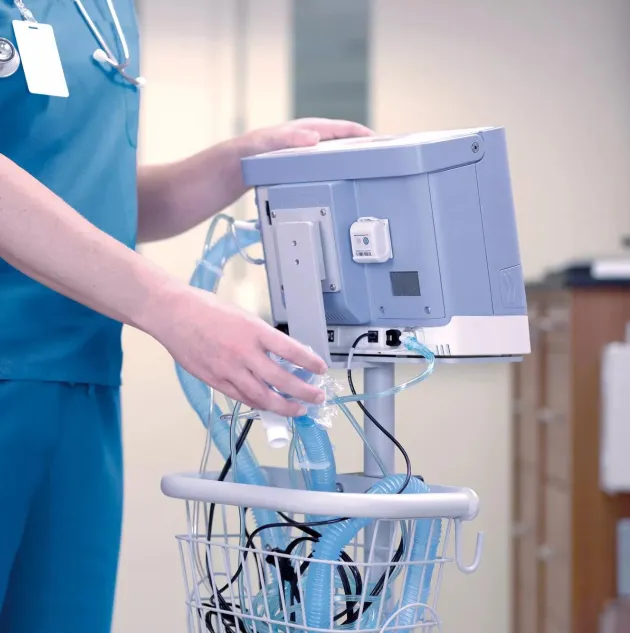
Asset management has become about enabling care rather than creating barriers. When clinicians can locate equipment quickly, patients benefit, and staff experience less frustration and burnout.
Resident & Senior Living: Safety as peace of mind
Senior living communities continued to navigate staffing and financial pressures as well as complex family expectations. Safety in this context isn’t just operational; it’s emotional. Families want reassurance that residents are safe, while staff need clarity and support to deliver care effectively.
“In senior living, peace of mind matters almost as much as physical safety,” says Patrick Legler, Director of Sales, Senior Living. “Connected systems give residents the freedom to live with dignity, reassure families that their loved ones are protected, and empower staff to provide care confidently. That trust is what makes a community feel truly safe.”
Senior Living Solutions in action
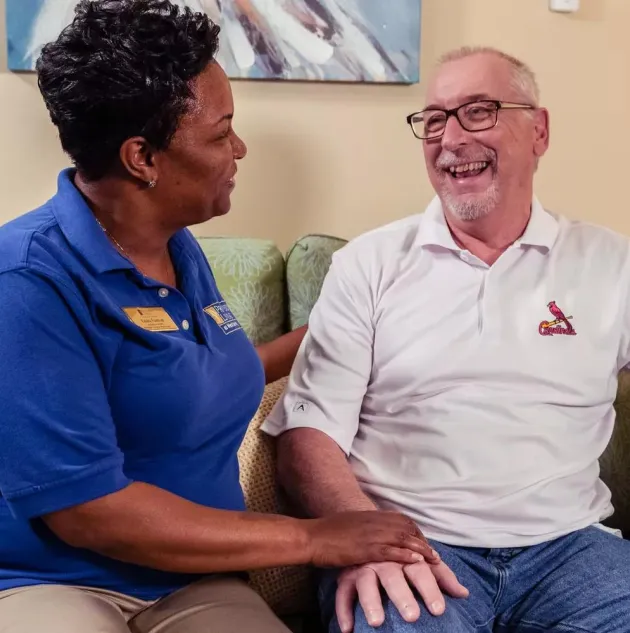
Senior living communities continue to balance autonomy, dignity, and safety while navigating staffing and financial pressures as well as rising expectations from families. In 2025, many leaders recognized that creating a safe environment is also a differentiator. Families want confidence that their loved ones are protected and cared for in a place that feels like home.
As a result, organizations are looking more intentionally at connected safety systems that provide operational clarity and emotional reassurance. The goal isn’t more technology, but quieter, more supportive environments that give caregivers the visibility they need and residents the calm, home-like atmosphere they deserve.
- Supporting safety and dignity with WanderGuard BLUE
Helps staff safeguard residents—especially those at risk of wandering—through discreet alerts and flexible zoning that protect without restricting independence.
- Clear communication and coordinated response with Arial Emergency Call and Nurse Call
Provide real-time visibility into resident needs helps caregivers prioritize, communicate, and respond more efficiently.
- Integrated alerts for faster action
When WanderGuard BLUE and Arial work together, teams receive timely, targeted alerts that streamline response and reduce uncertainty across the community.
- Data insights that guide smarter decisions
Reporting offers leaders a clearer picture of trends in staffing needs, workflow patterns, and resident experience—helping communities strengthen safety without adding complexity.
Safety systems in senior living provide both practical protection and peace of mind. Residents can move with dignity, families feel reassured, and staff can act confidently.
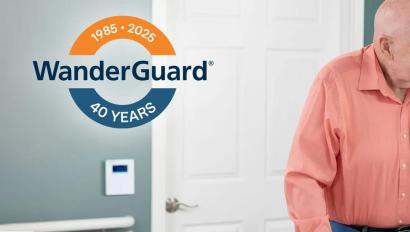
Sidebar: Celebrating 40 Years of WanderGuard
In 2025, WanderGuard marked its 40th anniversary, celebrated with the Walk to End Alzheimer’s and other community events. This milestone underscores a legacy of innovation and commitment to resident safety—a reminder that modern solutions are built on decades of learning and trust.
“WanderGuard continues to support Senior Living communities by monitoring doors—even when they’re open—and promptly alerting caregivers when a vulnerable resident may be at risk of leaving the safety of their community.”

Visibility as the common denominator
Across staff protection, asset management, and resident safety, one pattern emerged: visibility matters. Teams that could see where staff were, where equipment was, and how residents were moving could respond faster, reduce friction, and operate with confidence.
The lesson is clear: progress doesn’t require complete transformation overnight. It begins with small, connected steps that break down silos and provide actionable insights.
Securitas Healthcare continues to partner with organizations at every stage—whether exploring RTLS for the first time or integrating data across an enterprise. Through these partnerships, leaders can make informed decisions and foster a culture of safety and efficiency.
What this year taught us
Quiet, everyday victories define what safety and efficiency look like today.
-
The duress alert that triggers the right response.
-
The infusion pump found in seconds.
-
The resident who can move safely while staff monitor in real time.
2025 reminded healthcare leaders that visibility builds trust—and trust is the foundation of safe, effective care. It also marked a milestone year for Securitas Healthcare:
-
10th KLAS win, validating our leadership and the confidence of clients.
-
Product updates, retirements, and new innovations that advance safety across care settings.
-
Steps toward sustainability through programs like Hugs Band Recycling.
Get In Touch
Contact us to explore solutions for your organization and learn how connected systems can help protect those who care—and those they care for.