
Built for
Enterprise Healthcare
The platform is designed to support complex hospitals and integrated health systems with diverse technology environments.
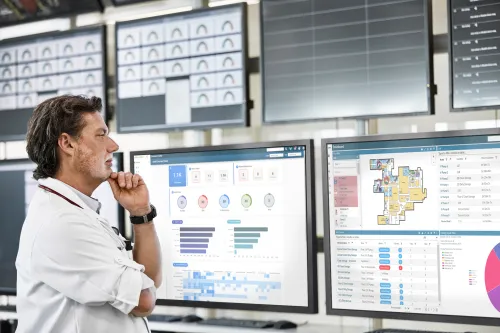
Cloud-hosted enterprise RTLS platform providing universal connectivity for visibility, safety, and workflow
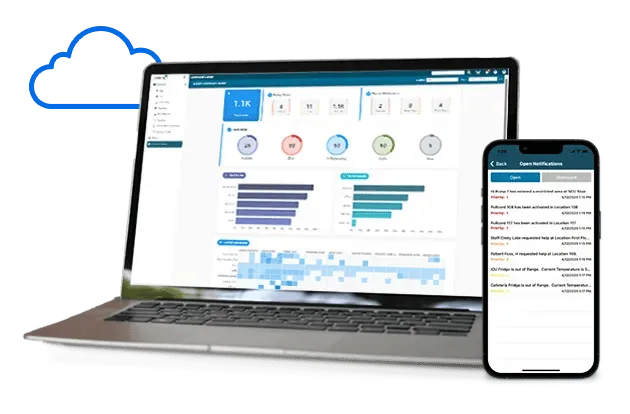
The ZulaFly enterprise platform delivers real-time visibility, actionable insights, and connected workflows in a flexible cloud environment. By bringing together data from our industry-leading tags and badges, third-party IoT devices, and existing RTLS and RFID infrastructure, it helps healthcare organizations improve safety, enhance efficiency, and get more value from their technology investments while creating a foundation for future growth, workflow automation, and innovation.
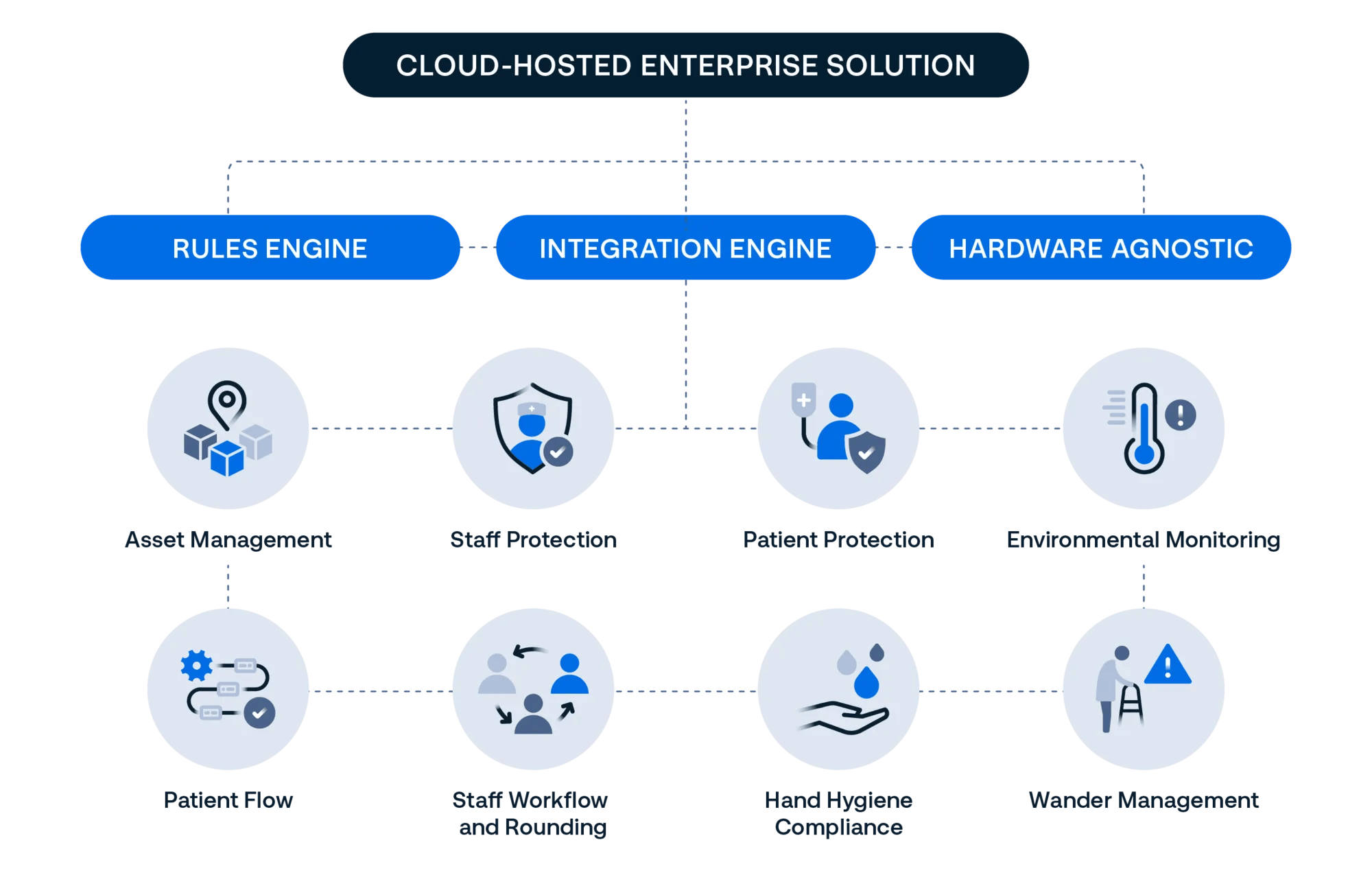
Healthcare organizations often manage different generations of location, sensor, and safety technologies across facilities, departments, and vendors. The platform creates a common cloud layer across these systems, helping teams access information, automate responses, and support multiple healthcare applications through one enterprise solution.
Connect location and sensor data with clinical, operational, and enterprise systems through an integration engine and open APIs. Supported integrations include EHR, CMMS, nurse call, communication, identity management, and other healthcare applications.
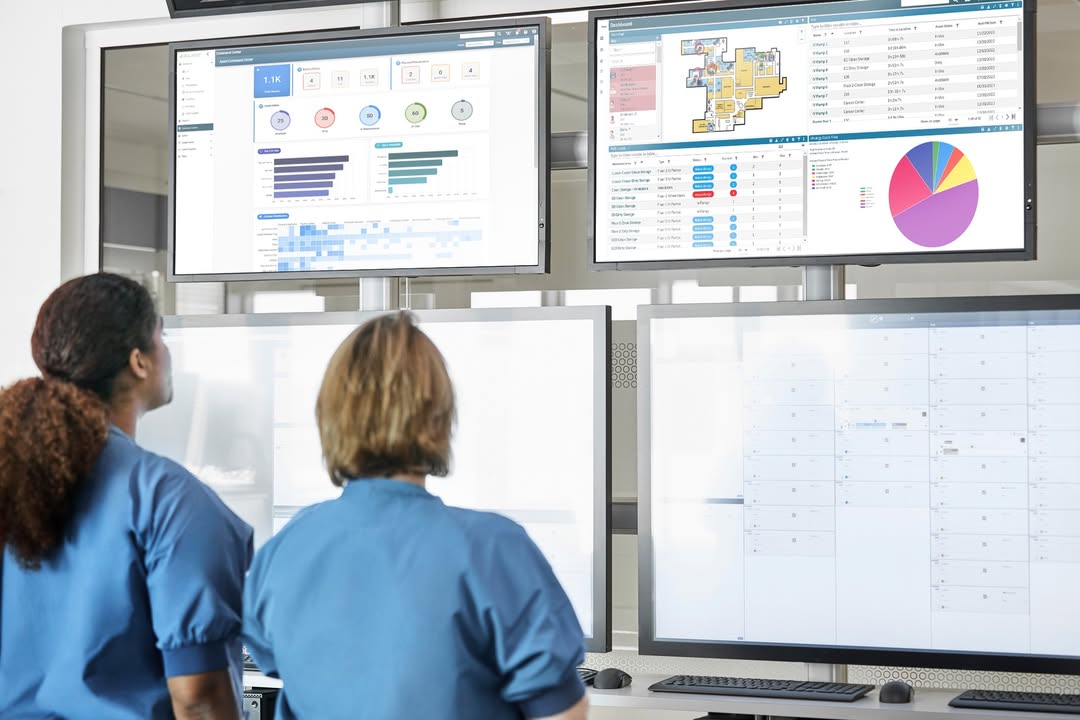
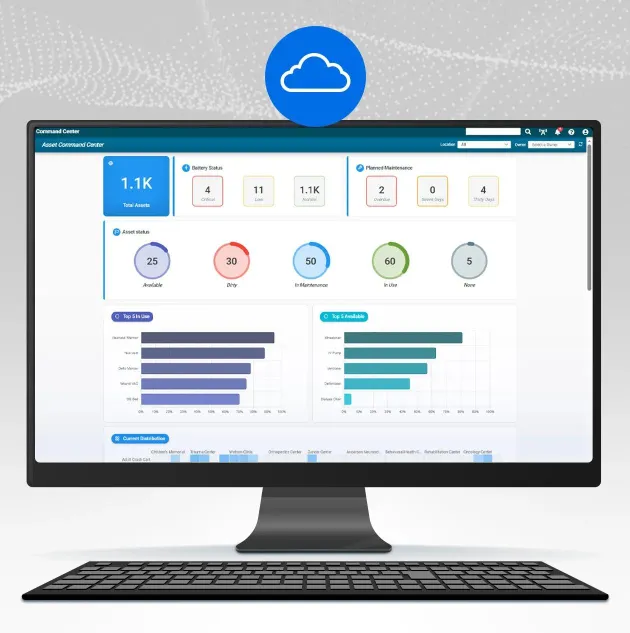
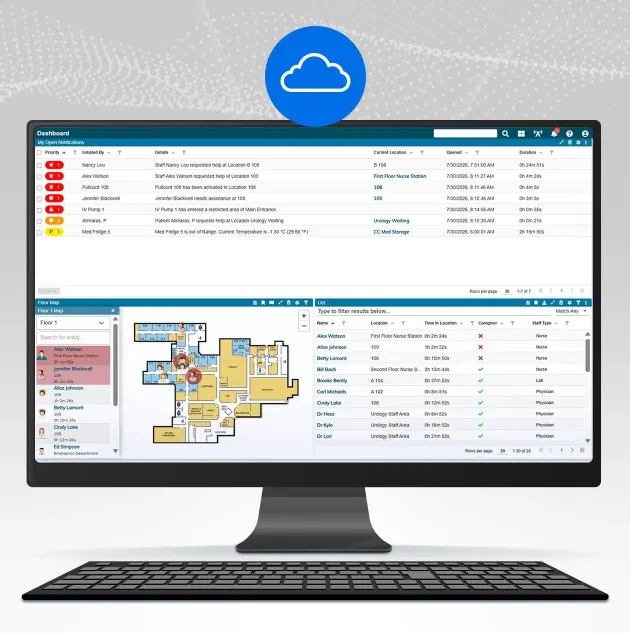
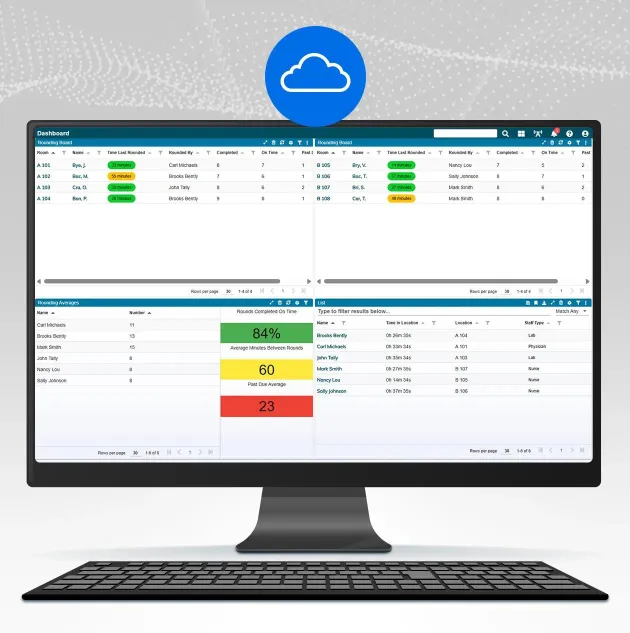
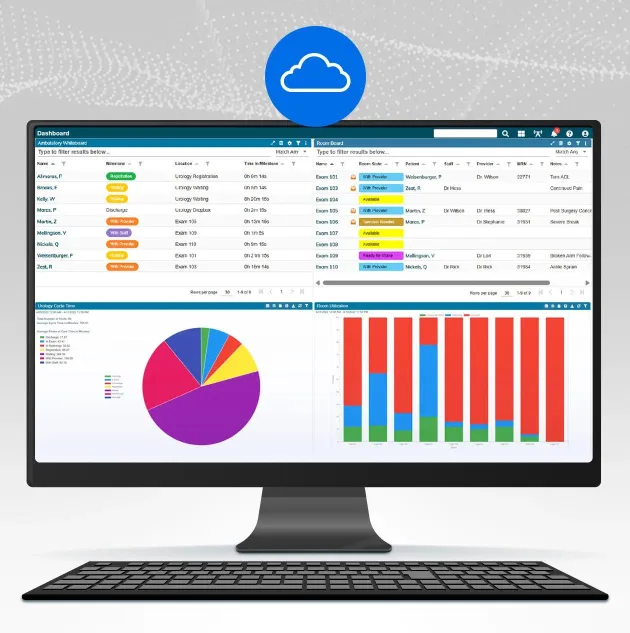
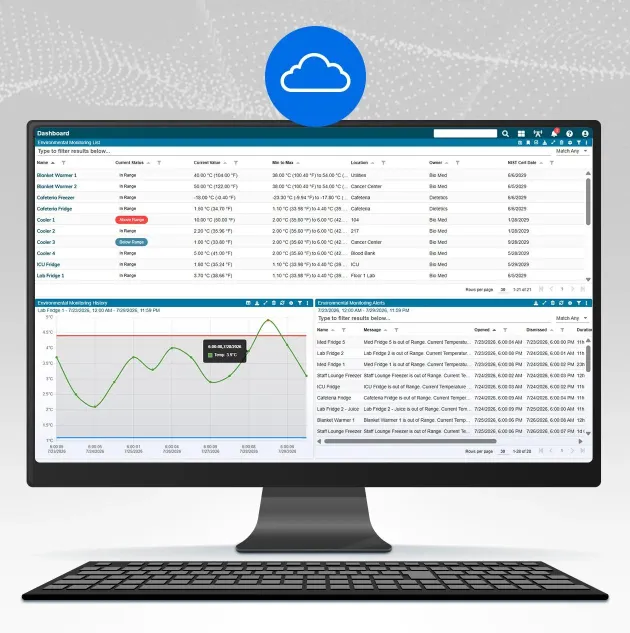
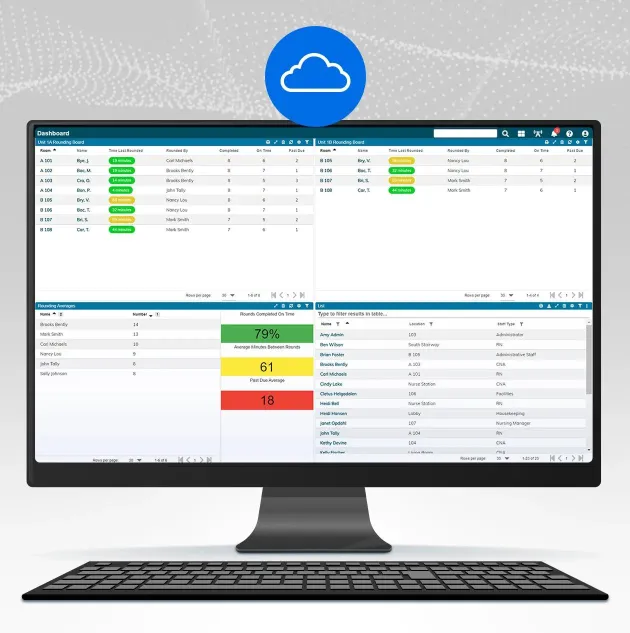
Access dashboards, maps, reports, devices, users, and configurations through one centralized cloud-hosted environment. The platform can scale from a single application or facility to multiple use cases across an integrated health system.
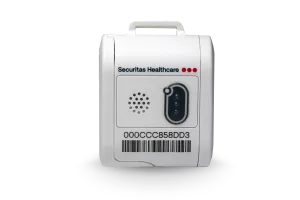
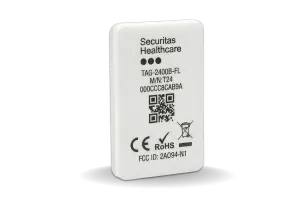
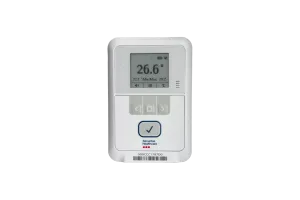
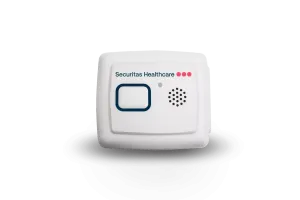
Connect supported tags, badges, and sensors from Securitas Healthcare and other manufacturers. The platform’s hardware-agnostic architecture provides flexibility to support multiple technologies while reducing dependence on a single hardware ecosystem.
Use configurable rules to initiate alerts, notifications, escalations, and operational workflows when conditions change. Rules can be based on location, status, environmental conditions, time, or other connected events.
Combine real-time information with historical reporting to better understand utilization, safety events, environmental conditions, and workflow performance. Configurable dashboards and reports help leaders identify trends and support continuous improvement.
Bring qualified legacy hardware and installed systems into a modern cloud environment without requiring an immediate, organization-wide replacement. This provides a practical path to modernization while protecting previous infrastructure investments.
One Platform. Multiple Healthcare Solutions.
The cloud-hosted platform supports a growing range of healthcare safety, visibility, and operational applications.
Experience the ZulaFly Difference
Take advantage of our demo opportunities to see how our software can make a meaningful impact at your facility.
The platform is designed to support complex hospitals and integrated health systems with diverse technology environments.
Unlock a New Era of Efficiency
Our cloud-hosted enterprise visibility platform delivers the speed, flexibility, and reliability healthcare organizations need to grow with confidence.

Integration Engine
Our robust integration engine standardizes data from many disparate systems to optimize and streamline the development and adoption of new technologies. Bi-directional integrations provide clean, normalized data that will drive efficiencies across your organization.

Real-Time and Historical Reports
Empower your business with insightful data. With flexible reporting options, you can create your own reports tailored to your specific needs or take advantage of ours. Notifications can be delivered in multiple formats, allowing you to receive information through your preferred method, on-site or off-site.
Accessible Across Devices
Get reports and real-time alerts on any device, ensuring you stay connected wherever you are. The platform is fully compatible with both iOS and Android mobile operating systems. As a cloud-hosted solution, it also offers easy implementation and quick setup, making it accessible from any web application.
Integration Engine
Our robust integration engine standardizes data from many disparate systems to optimize and streamline the development and adoption of new technologies. Bi-directional integrations provide clean, normalized data that will drive efficiencies across your organization.
Real-Time and Historical Reports
Empower your business with insightful data. With flexible reporting options, you can create your own reports tailored to your specific needs or take advantage of ours. Notifications can be delivered in multiple formats, allowing you to receive information through your preferred method, on-site or off-site.
Accessible Across Devices
Get reports and real-time alerts on any device, ensuring you stay connected wherever you are. The platform is fully compatible with both iOS and Android mobile operating systems. As a cloud-hosted solution, it also offers easy implementation and quick setup, making it accessible from any web application.
Protect Existing Investments. Integrate and Automate at Your Own Pace.
Healthcare organizations do not need to modernize every system at once.
The platform creates a flexible pathway for connecting existing technology, introducing new IoT hardware, and expanding enterprise applications over time.
Solution Certifications